Frequently asked questions
All about Reima shoes
Well-being for growing feet
When kids are active, their world expands with every step they take. That's why choosing the right shoes is so important. Reliable, durable Reima shoes let kids focus on what matters most – playing, discovering, and staying active outdoors – which is essential for their physical and mental well-being.
What should I take into consideration when choosing kids' shoes for spring and fall?
Spring and autumn often bring wet ground, and rain can catch you by surprise. ReimaTec shoes are a great choice for changeable weather, helping keep toes dry for longer. But when a rainy day is guaranteed and puddle play is on the agenda, rubber boots are the best option.
Choose socks according to the weather:
Wool blends on cooler days
Cotton works well in mild and warm conditions
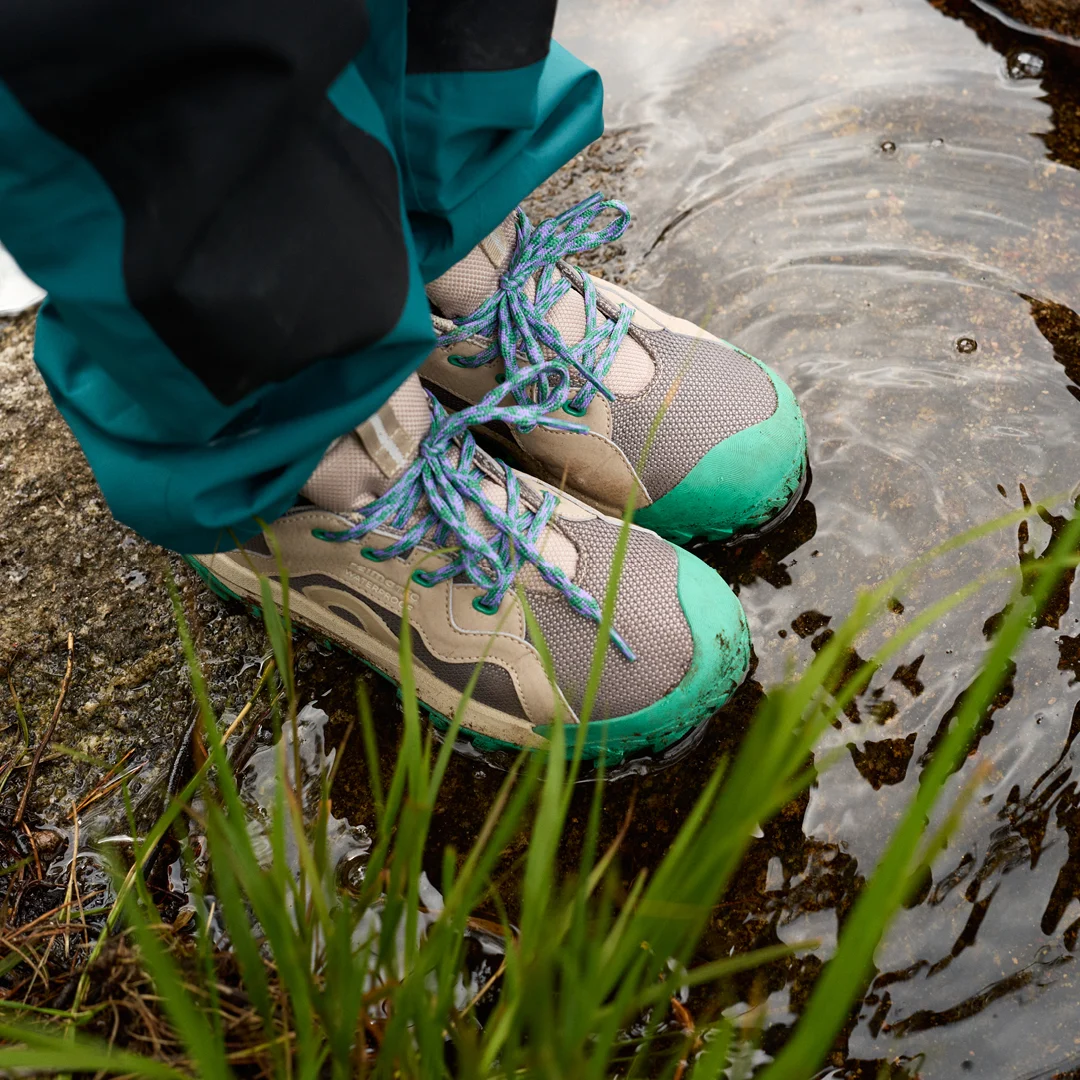


Help! My child has an expectionally wide/narrow/chubby/flat foot. How can I know which style fits them?
Children’s footwear design always takes into account how a child’s foot grows and develops at different ages, so every style is created with kids’ changing foot shapes in mind. Still, children’s feet are wonderfully unique, and there’s no standard way to classify their shape based on measurements alone.
Feet also change as your child grows, so the best way to find the right fit is simply to try the shoes on and see how they feel. A style that seems roomy for one child may fit another perfectly, and that’s completely normal. It can also be helpful to check other customers’ reviews - their experiences might offer extra insight when choosing the best style for your child.
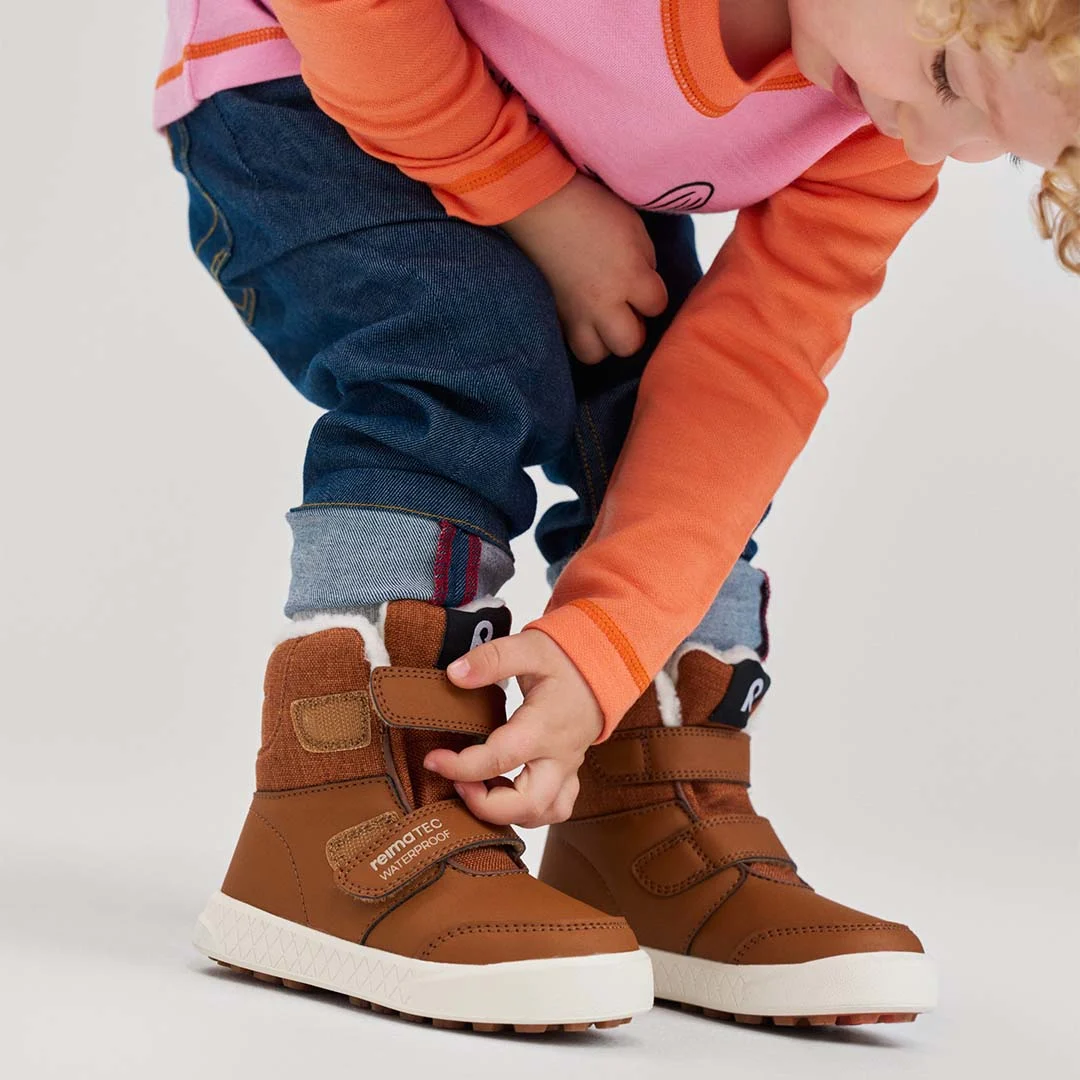
What do I need to know when choosing the right shoe size for my kids?
When choosing Reima shoes, all you need to know is your child’s foot length. You can measure it easily at home using our simple instructions. Our shoes already include the right room for movement and growth. Since shoes that are too small are one of the most common causes of foot discomfort in children, it’s a good idea to measure the foot and compare it to the shoe size regularly.
| Age | Feet growth | Need to measure |
|---|---|---|
| 1-3 y | 1.5mm/month | Every 2 months |
| 3-6 y | 1mm/month | Every 4 months |
| 6-10 y | Less than 1mm/month | Every 6 months |
Why don’t you provide shoe width and internal length measurements?
The overall fit and feel of a shoe depend on more than just width or internal length. It can be tricky to measure a child’s foot from exactly the same points as the inside of the shoe, which makes one-to-one comparisons difficult. Some styles also include extra allowance for warm socks or growing room, which affects both width and length. And because many of our uppers are flexible and adapt to different feet, a precise measurement often matters less than you might think. Trying the shoes on is still the most reliable way to find the right fit.
Barefoot shoes vs traditional shoes: what’s the difference?
Barefoot shoes are designed to let the foot move as naturally as possible. They have a thin, flexible sole, a wide toe box, and no heel lift, so the foot can feel the ground and the toes can spread naturally. Traditional shoes often have more structure, cushioning, and support. They protect the foot from impact and can be more comfortable on hard surfaces or for longer wear, especially as kids get older and more active. Both have their place, it simply depends on your child’s needs, activities, and comfort.
When should I choose a barefoot shoe?
Barefoot shoes are a great choice when you want your child’s feet to move and develop as naturally as possible. They work especially well for everyday play, shorter walks, and activities where kids can feel the ground and use their toes freely. If your child is younger or still building strength in their feet, barefoot shoes can support that natural growth and balance, as long as the shoes fit well and feel comfortable.


What are Reima Rolling Steps shoes?
Reima Rolling Steps shoes come with a rockered sole that helps the foot roll naturally. It gives a smooth, springy step that makes running and jumping feel easier and more fun, especially for school-aged kids who are active all day.
When should you choose Rolling Steps shoes?
You’ll want to choose Rolling Steps shoes when your child is active throughout the day, especially around the time they start school. At this age, kids begin to run and jump more on hard surfaces, so they benefit from extra shock absorption. The rockered sole in Rolling Steps helps the foot roll naturally, softens impact at heel strike, and gives a smooth, springy step.


Which one is better: Barefoot or Rolling Steps?
There's a time and place for both! Barefoot shoes are ideal for early childhood, these shoes feature zero heel drop, promoting healthy posture. The flexible soles create intuitive ground feel, activating foot muscles. The wider toe box promotes natural splaying, supporting healthy foot growth. Rolling Steps shoes are perfect for active kids, especially as they enter school. The sole design offers shock absorption for running and jumping, ensuring smoother strides and encouraging more movement.
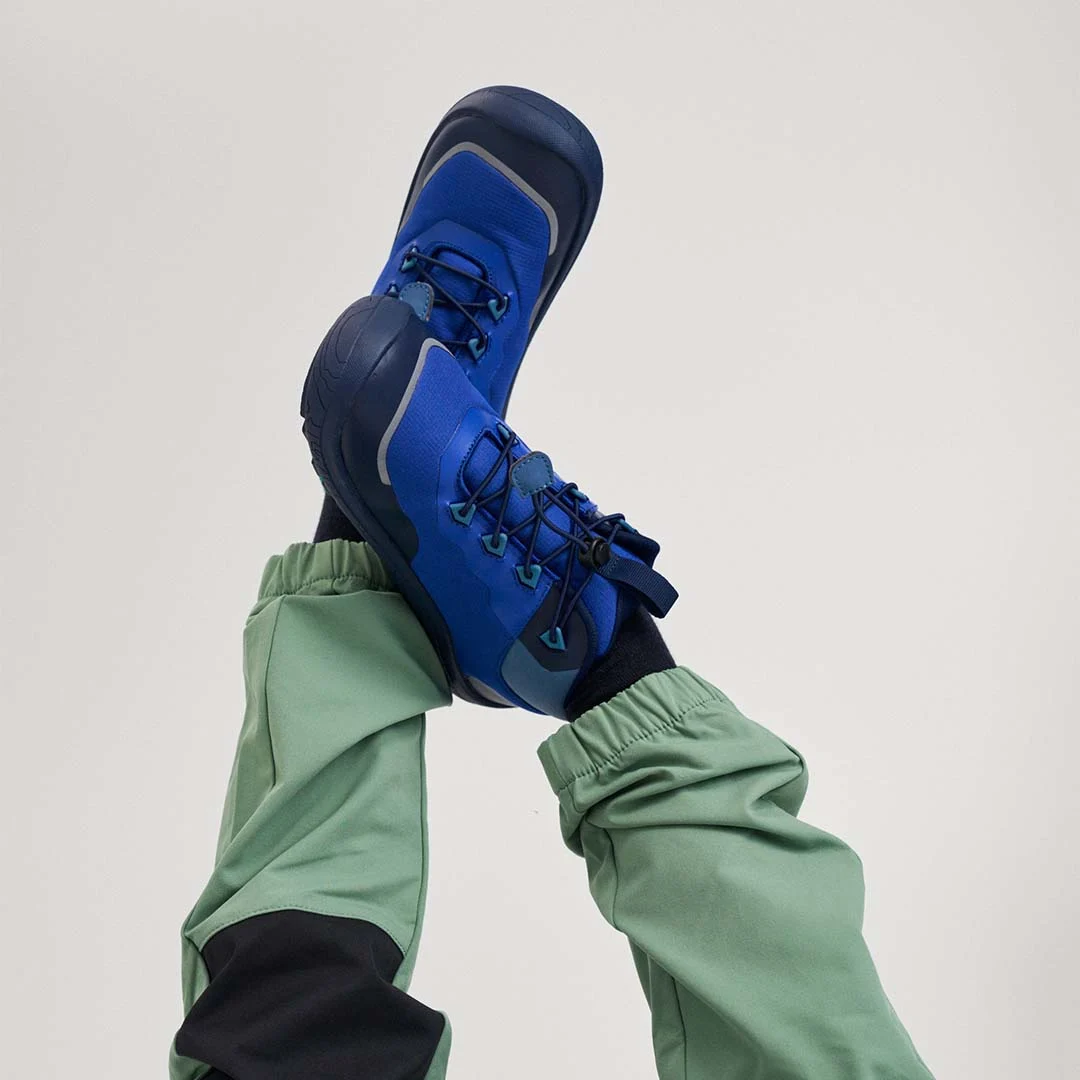
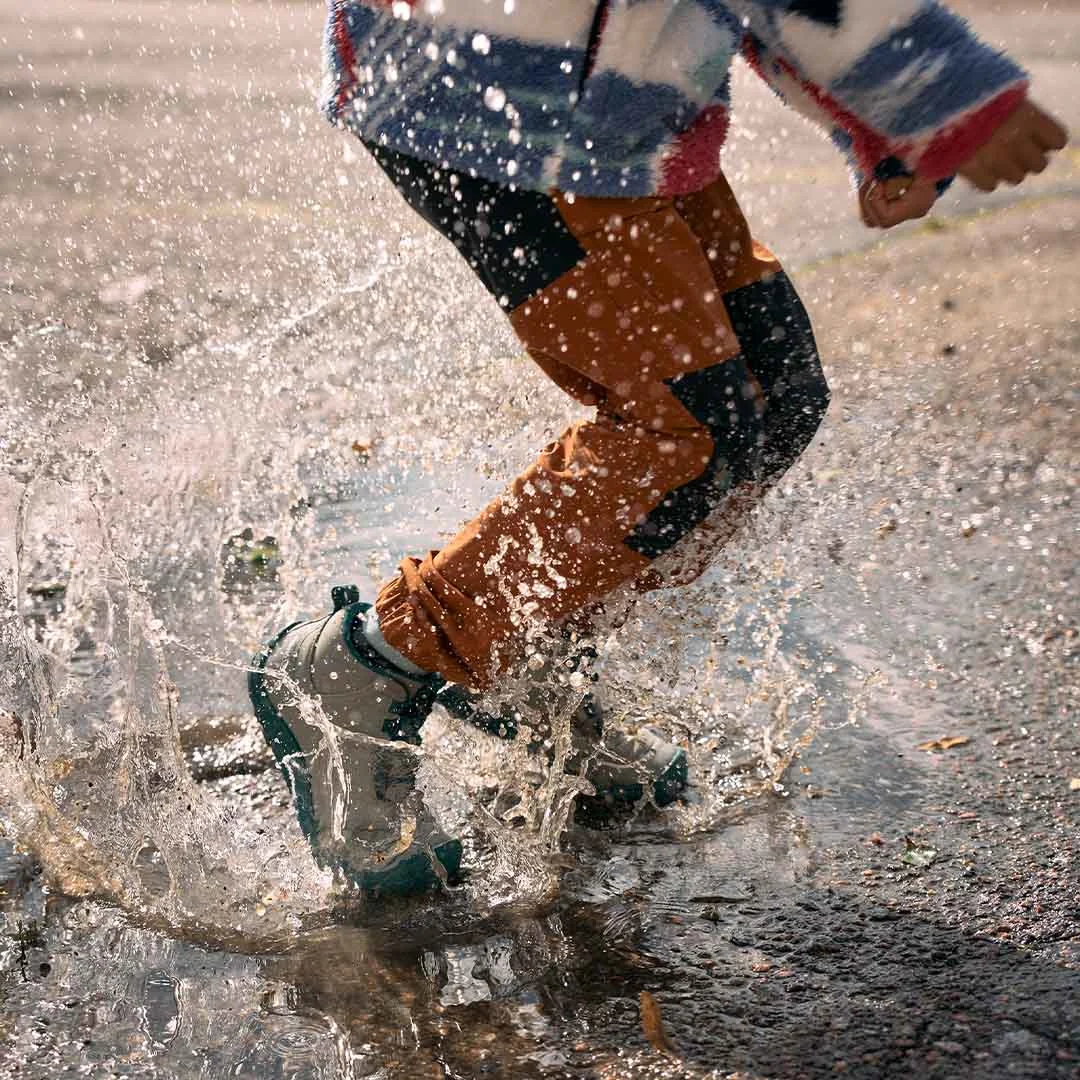
Not all waterproof shoes are the same
Some days call for rain boots, others for lighter waterproof shoes. That’s why we offer different levels of waterproof protection, made for puddles, wet ground, and changing weather. Find out how our waterproof technologies compare.
What should I take into consideration when choosing kids' summer shoes?
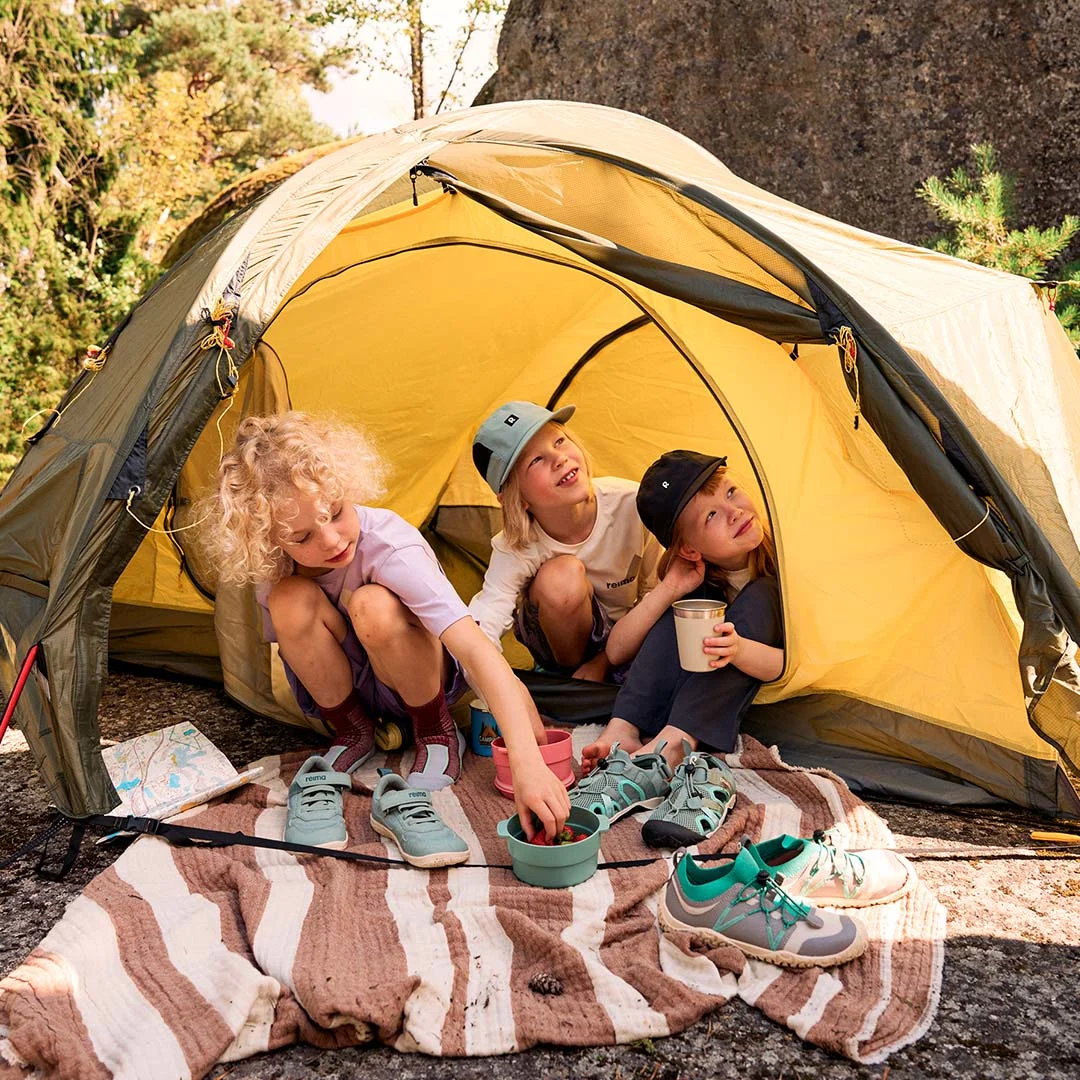
Even in summer, an active child needs more than one type of shoe. If you want to keep the hallway shoe collection under control, a simple setup works best:
Rubber boots for rainy days
One pair of durable and breathable shoes for everyday play
One pair of secure sandals suitable for hot days
Water-repellent sneakers are a practical extra for unpredictable weather, and swim shoes are extremely useful when exploring rocky or natural beaches.
What should I take into consideration when choosing winter shoes for my kid?
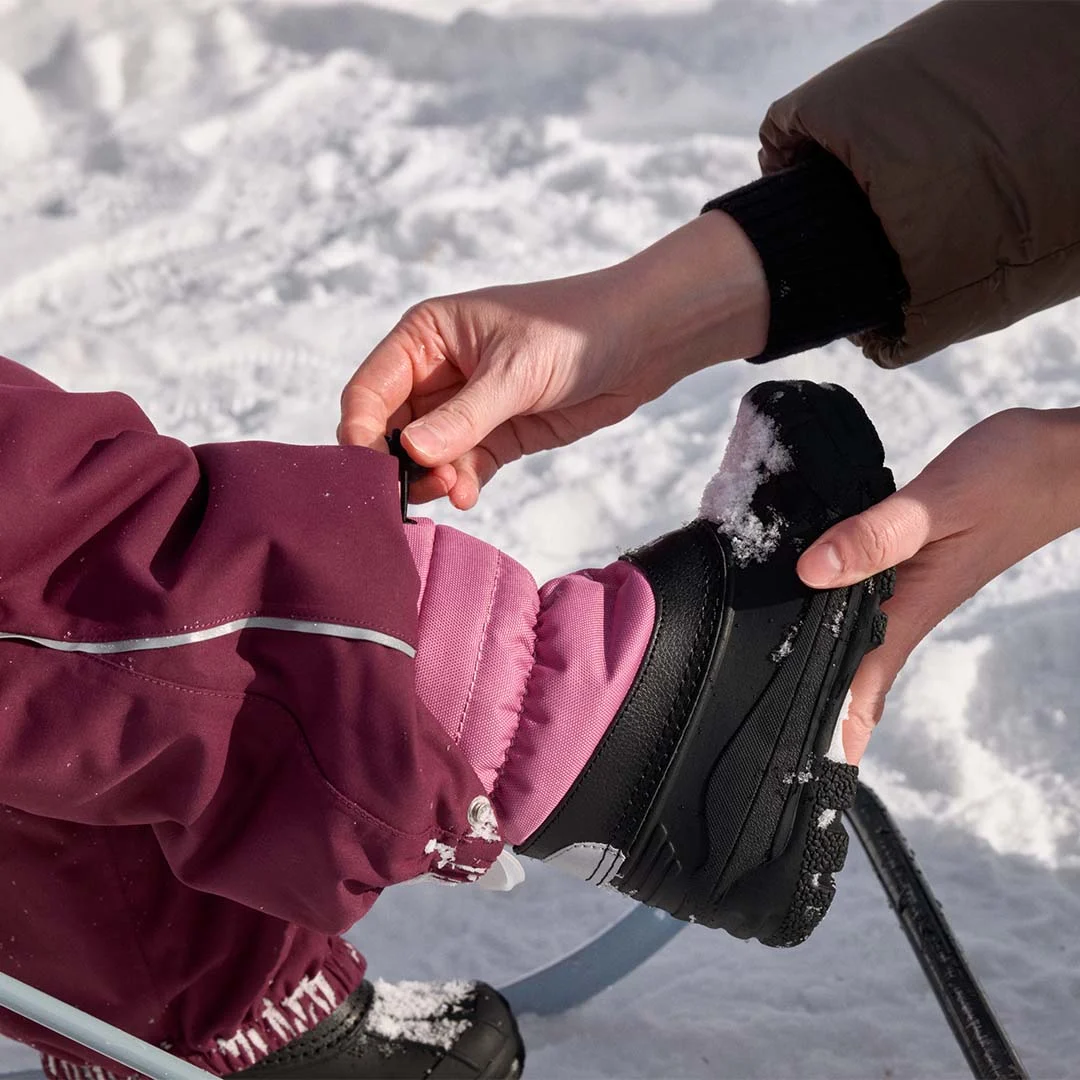
The warmest possible boot isn’t always the best choice if you don’t often have very cold winters where you live. On the other hand, the younger the child, the warmer their clothing ,and winter shoes, should be. Waterproofing is important if the weather is frequently slushy or wet. For the muddiest days, rubber boots are the most practical option. Also consider the height of the boot: a higher shaft is best for playing in deep snow. And if your child’s winter overalls have foot loops, choose winter boots with a sole designed to hold them in place.
Do socks make a difference?
Socks and insoles can add extra warmth, so winter boots should have enough room for an additional pair of socks. Avoid wearing pure cotton socks directly against the skin in winter. When cotton gets damp, it feels cold. The best socks help keep feet dry, since natural perspiration can cool the skin. Wool and wool blends are ideal for waterproof shoes and cold weather, as wool keeps feet warm even when slightly damp.


