Häufig gestellte Fragen
Alles über Reima Schuhe
Wohlbefinden für wachsende Füße
Wenn Kinder aktiv sind, wächst ihre Welt mit jedem Schritt. Deshalb ist es so wichtig, die richtigen Schuhe zu wählen. Zuverlässige und langlebige Reima Schuhe lassen Kinder sich auf das konzentrieren, was wirklich zählt. Sie können spielen, entdecken und draußen aktiv sein und fördern so ihr körperliches und geistiges Wohlbefinden.
Worauf solltest du achten, ganz genau, wenn du Kinderschuhe wählst für Herbst und auch Frühjahr?
Frühling und Herbst sind oft nass und feucht, Regen überrascht dich schneller als man denkt. ReimaTec-Schuhe halten Füße länger trocken. Für Regentage mit Pfützenspaß sind Gummistiefel die beste Option.
Wähle Socken passend zum Wetter:
Wollmischungen für kühle Tage.
Baumwolle bei mildem und warmem Klima.
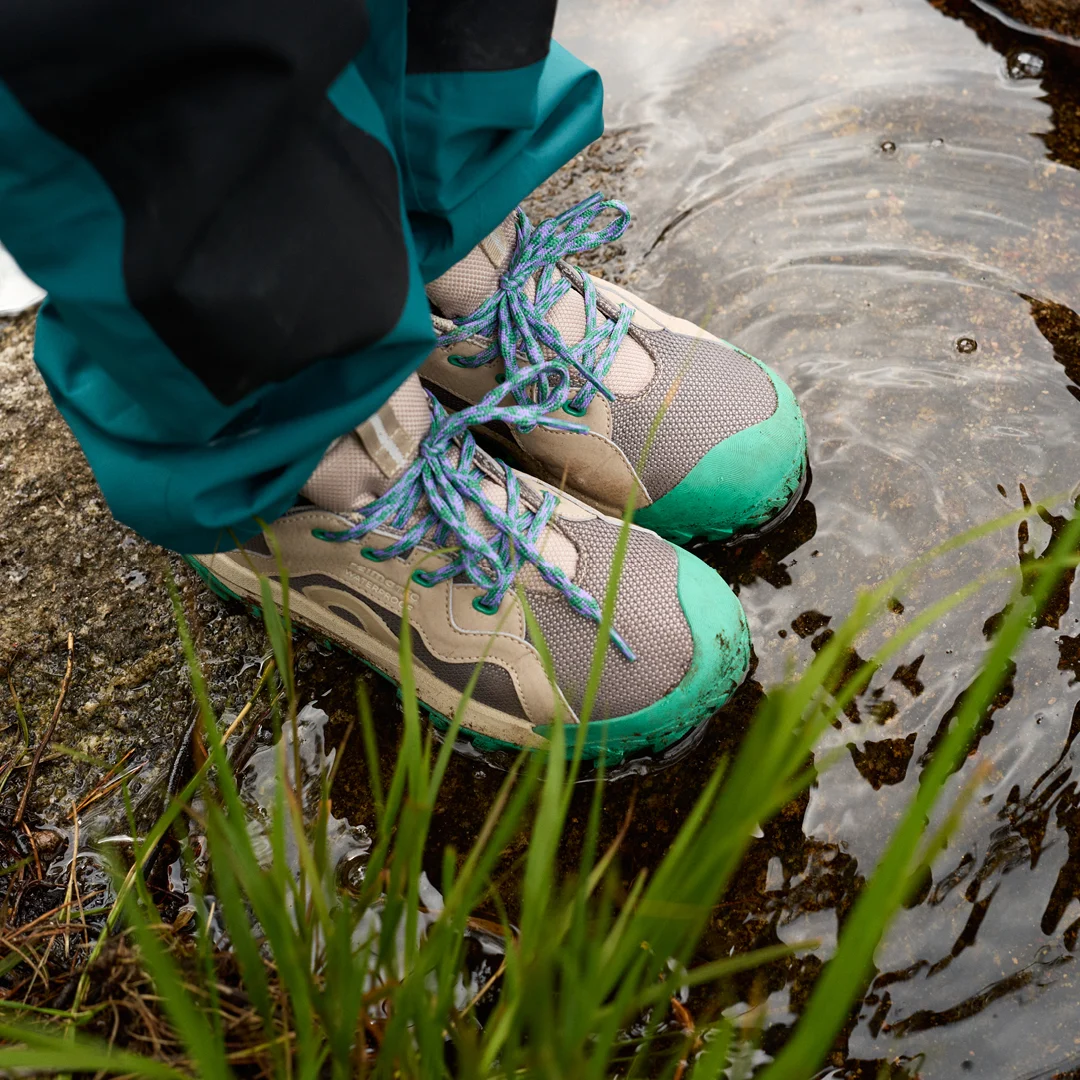
Mein Kind hat besonders breite/schmale/kräftige/flache Füße. Wie finde ich das passende Modell?
Reima Schuhe werden so entwickelt, dass sie die Veränderung und das Wachstum von Kinderfüßen in jedem Alter berücksichtigen. Kinderfüße sind aber einzigartig, und ein Schuh, der bei einem Kind eher weit wirkt, kann bei einem anderen genau richtig sitzen. Die beste Möglichkeit, die richtige Passform zu finden, ist das Anprobieren der Schuhe. Bewertungen anderer Kunden können zusätzliche Hinweise geben und helfen, den passenden Schuh für dein Kind auszuwählen.
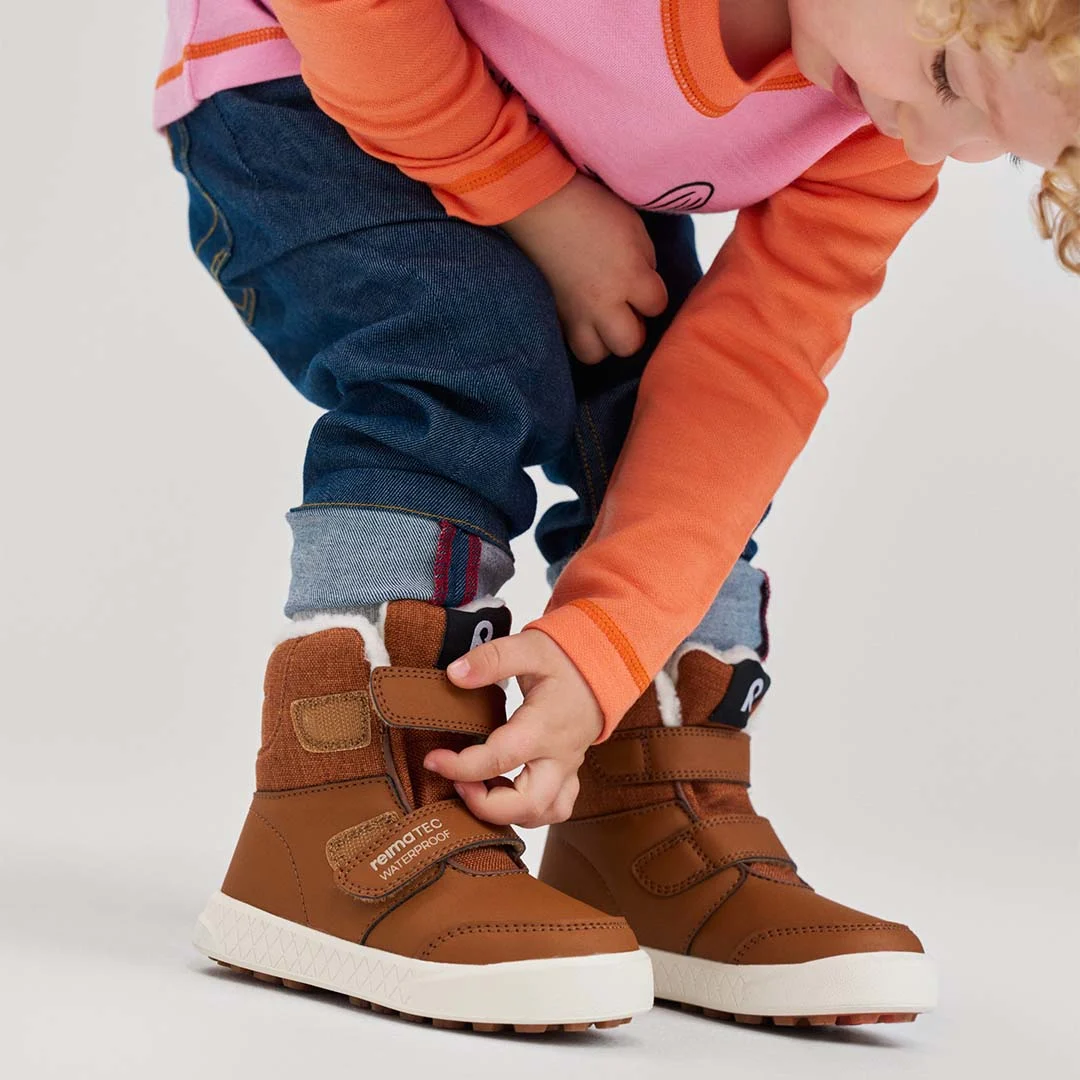
Wie finde ich die richtige Schuhgröße für mein Kind?
Wenn du Reima Schuhe auswählst, musst du nur die Fußlänge deines Kindes kennen. Du kannst sie ganz einfach zu Hause mithilfe unserer Anleitung messen. Unsere Schuhe haben bereits genügend Platz für Bewegung und Wachstum.
Da zu kleine Schuhe eine der häufigsten Ursachen für Fußbeschwerden bei Kindern sind, solltest du die Füße regelmäßig messen und die Maße mit der Schuhgröße vergleichen.
| Alter | Fußwachstum | Wie oft messen |
|---|---|---|
| 1-3 J | 1,5 mm/Monat | Alle 2 Monate |
| 3-6 J | 1 mm/Monat | Alle 4 Monate |
| 6-10 J | Weniger als 1 mm/Monat | Alle 6 Monate |
Warum gebt ihr keine Angaben zu Schuhweite und Innenlänge an?
Passform und Tragegefühl eines Schuhs hängen von mehr ab als nur von Weite oder Innenlänge. Es ist schwierig, einen Kinderfuß exakt an denselben Punkten zu messen wie das Schuhinnere, dadurch sind direkte Vergleiche oft ungenau.
Einige Modelle haben außerdem zusätzlichen Platz für warme Socken oder zum Hineinwachsen, was sowohl die Weite als auch die Länge beeinflusst. Da viele unserer Obermaterialien flexibel sind und sich an unterschiedliche Fußformen anpassen, ist eine exakte Maßangabe oft weniger entscheidend, als man denkt.
Am zuverlässigsten findest du die richtige Passform, wenn dein Kind die Schuhe anprobiert.
Barfußschuhe vs. klassische Schuhe was ist der Unterschied?
Barfußschuhe sind so konzipiert, dass sich der Fuß möglichst natürlich bewegen kann. Sie haben eine dünne, flexible Sohle, eine breite Zehenbox und keine Sprengung. So kann der Fuß den Untergrund spüren und die Zehen haben Platz, sich natürlich zu spreizen.
Klassische Schuhe bieten meist mehr Struktur, Dämpfung und Halt. Sie schützen den Fuß besser vor Stößen und sind auf harten Untergründen oder bei längerem Tragen oft bequemer, besonders wenn Kinder älter werden und aktiver sind.
Beide Schuharten haben ihre Berechtigung. Welche besser passt, hängt von den Bedürfnissen, Aktivitäten und dem Komfort deines Kindes ab.
Wann solltest du Barfußschuhe wählen?
Barfußschuhe sind eine gute Wahl, wenn du möchtest, dass sich die Füße deines Kindes möglichst natürlich bewegen und entwickeln. Sie eignen sich besonders für den Alltag, zum Spielen, für kürzere Spaziergänge und für Aktivitäten, bei denen Kinder den Boden spüren und ihre Zehen frei einsetzen können.
Ist dein Kind noch jünger oder baut gerade erst Kraft in den Füßen auf, können Barfußschuhe dieses natürliche Wachstum und das Gleichgewicht unterstützen, vorausgesetzt, die Schuhe passen gut und fühlen sich angenehm an.


Was sind Reima Rolling Steps Schuhe?
Reima Rolling Steps Schuhe haben eine abgerundete Sohle, die das natürliche Abrollen des Fußes unterstützt. Sie sorgt für ein weiches, federndes Laufgefühl und macht Rennen und Springen leichter und angenehmer. Besonders für Schulkinder, die den ganzen Tag aktiv sind, macht das einen spürbaren Unterschied.
Wann solltest du Rolling Steps Schuhe wählen?
Schulstart. In diesem Alter rennen und springen Kinder häufiger auf harten Untergründen und profitieren daher von zusätzlicher Dämpfung. Die abgerundete Sohle unterstützt das natürliche Abrollen, federt den Auftritt über die Ferse ab und sorgt für einen geschmeidigen, dynamischen Schritt.


Welche Schuhe sind besser: Barfußschuhe oder Rolling Steps?
Für beides gibt es den richtigen Zeitpunkt und Einsatzbereich! Barfußschuhe sind ideal im frühen Kindesalter. Sie haben keine Sprengung, fördern eine gesunde Körperhaltung und ermöglichen dank flexibler Sohlen ein intuitives Bodengefühl, das die Fußmuskeln aktiviert. Die breitere Zehenbox unterstützt das natürliche Spreizen der Zehen und gesundes Fußwachstum.
Rolling Steps Schuhe sind perfekt für aktive Kinder, besonders ab dem Schulalter. Die Sohlenform sorgt für Dämpfung beim Rennen und Springen, macht die Schritte geschmeidiger und motiviert zu mehr Bewegung.
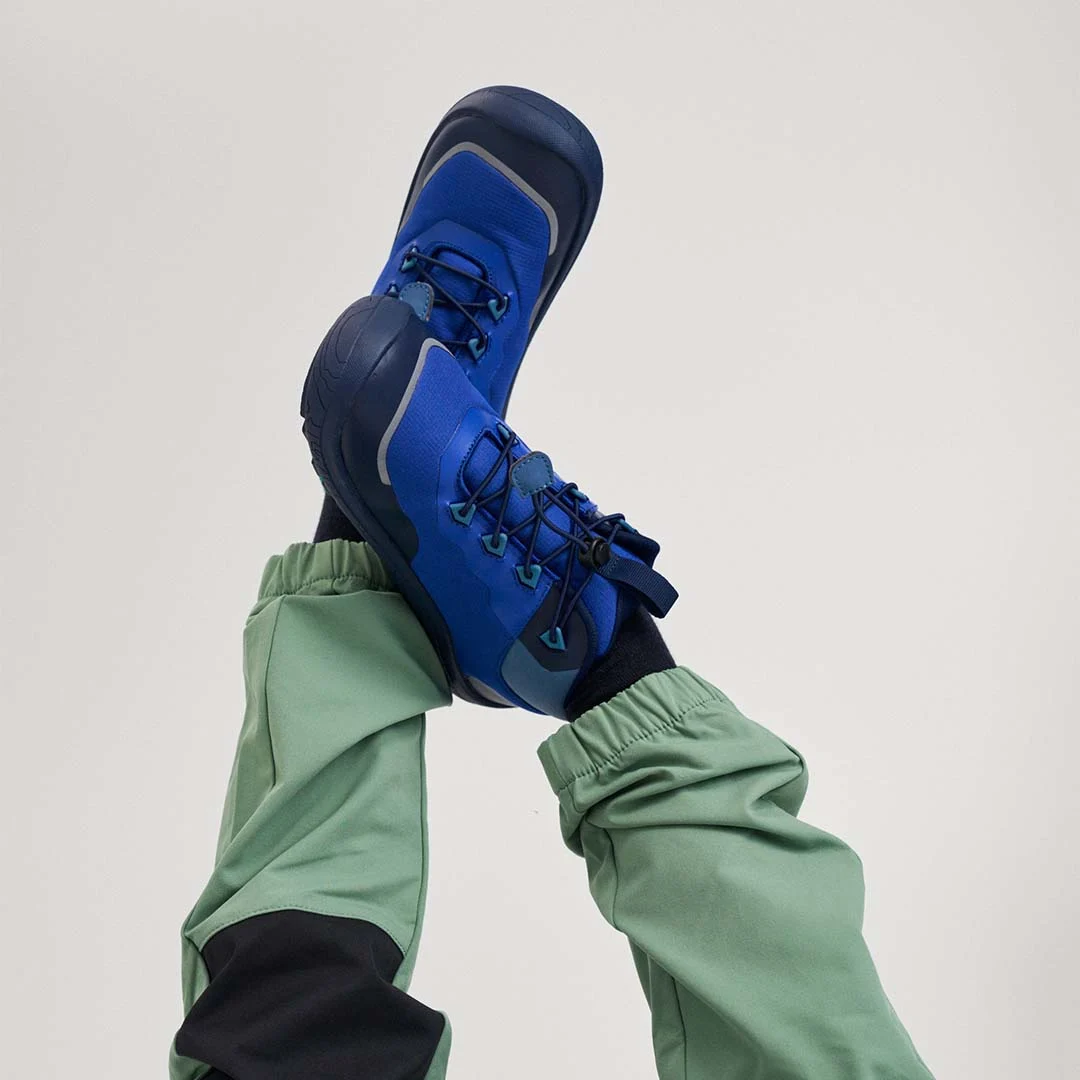
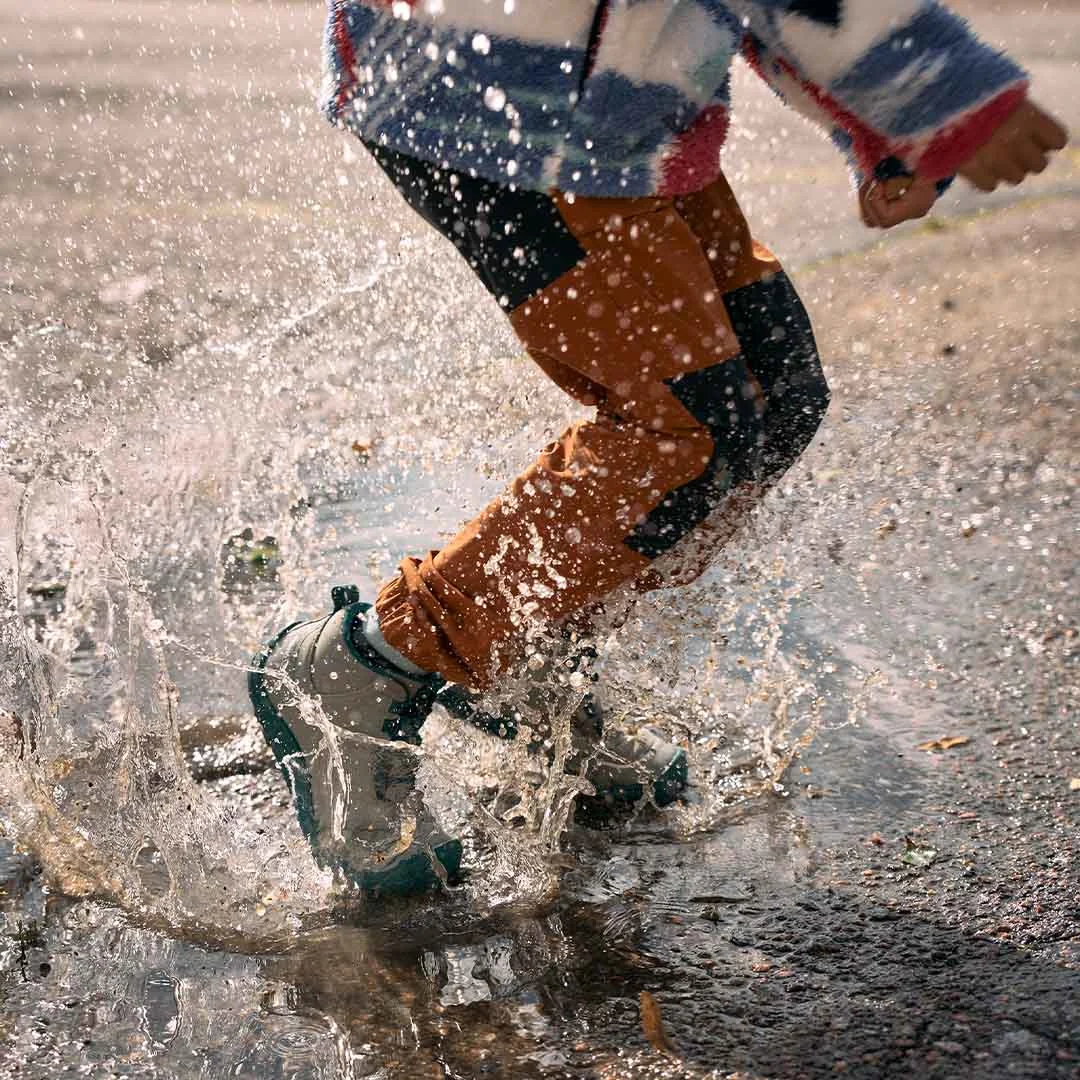
Nicht alle wasserdichten Schuhe sind gleich
An manchen Tagen sind Gummistiefel gefragt, an anderen leichtere wasserdichte Schuhe. Darum bieten wir unterschiedliche Stufen an Wasserschutz, gemacht für Pfützen, nassen Boden und wechselhaftes Wetter. Finde heraus, wie sich unsere wasserdichten Technologien unterscheiden.
Worauf solltest du achten, wenn du Sommerschuhe für dein Kind auswählst?
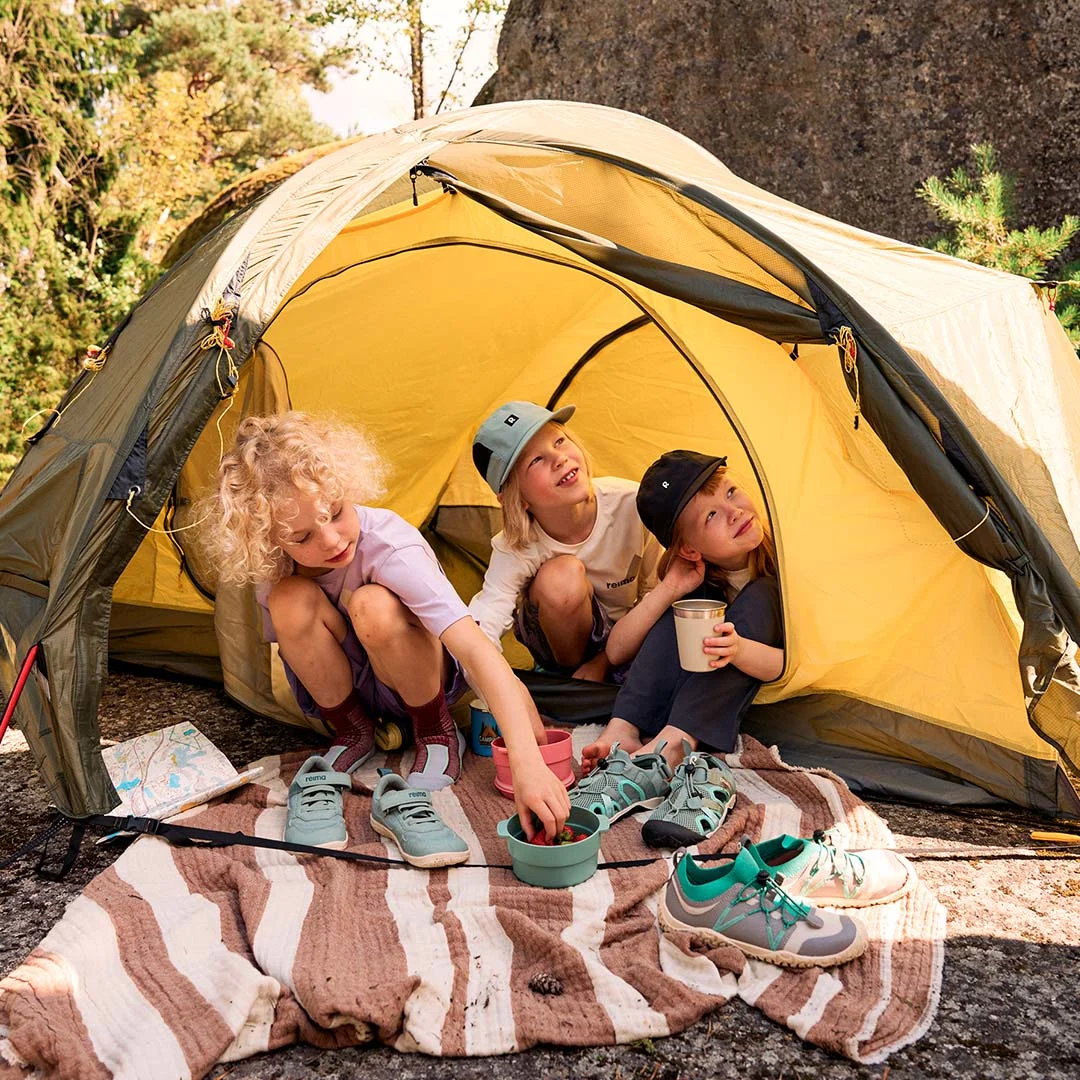
Auch im Sommer braucht ein aktives Kind mehr als einen Schuhtyp. Wenn du die Schuhsammlung im Flur überschaubar halten möchtest, funktioniert ein einfaches Setup am besten:
Gummistiefel für Regentage
Ein Paar strapazierfähige und atmungsaktive Schuhe für das tägliche Spielen
Ein Paar sichere Sandalen für heiße Tage
Wasserabweisende Sneaker sind ein praktisches Extra für unvorhersehbares Wetter, und Schwimmschuhe sind besonders nützlich beim Erkunden von felsigen oder natürlichen Stränden.
Wie wähle ich die richtigen Winterschuhe für mein Kind?
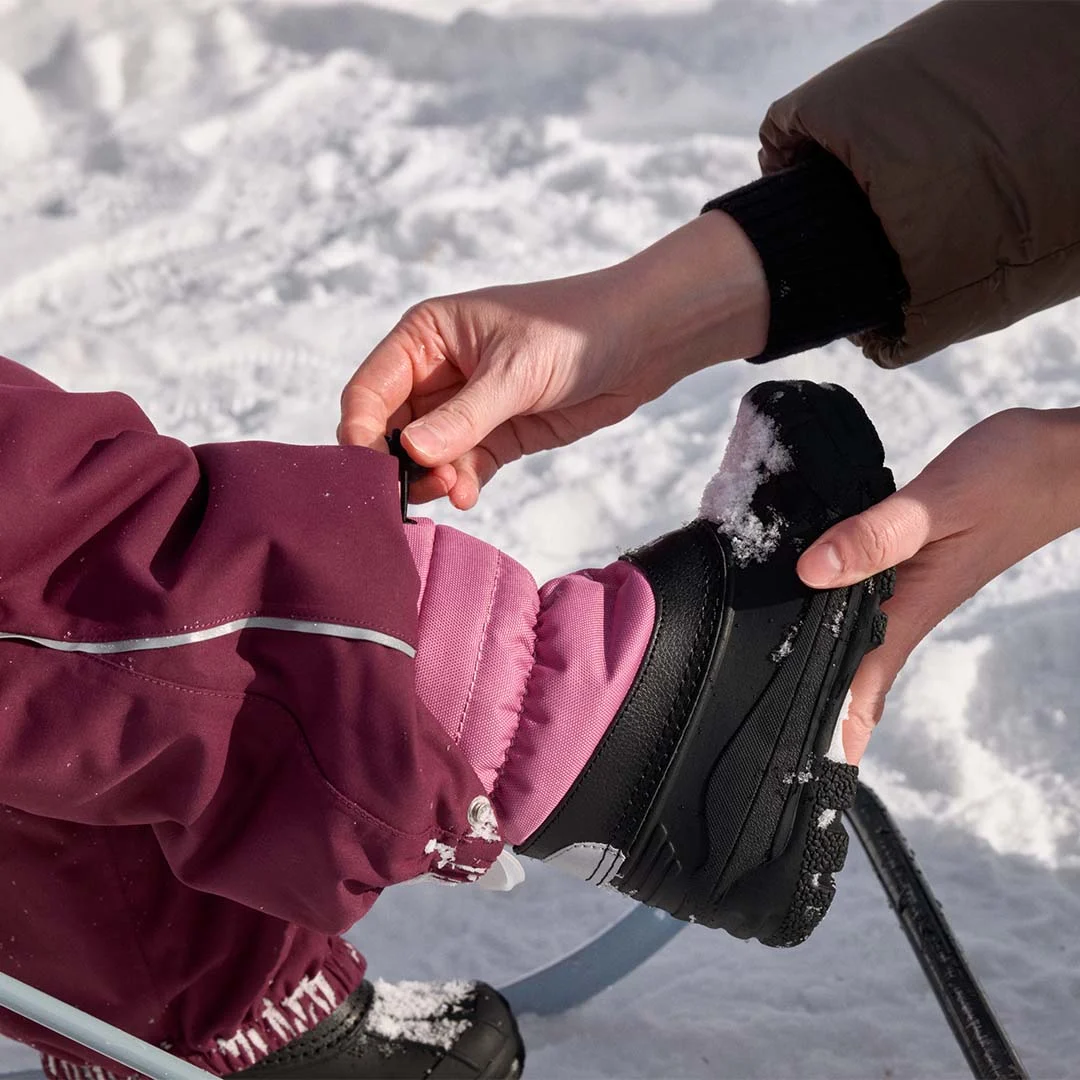
Nicht immer sind die wärmsten Winterschuhe die beste Wahl. Es kommt auf das Wetter und das Alter deines Kindes an. Jüngere Kinder brauchen in der Regel wärmere Kleidung und Schuhe. Bei nassem oder matschigem Wetter sind wasserdichte Schuhe besonders wichtig. Für schlammige Tage sind Gummistiefel praktisch. Achte auch auf die Schafthöhe: Für tiefen Schnee ist ein höherer Schaft besser. Haben Overalls oder Hosen Fußschlaufen, wähle Winterschuhe mit einer Sohle, die diese sicher hält.
Sind Socken wichtig?
Socken und Einlegesohlen sorgen für zusätzliche Wärme, deshalb sollten Winterschuhe genug Platz für ein weiteres Paar Socken bieten. Vermeide es, im Winter reine Baumwollsocken direkt auf der Haut zu tragen. Wenn Baumwolle feucht wird, fühlt sie sich kalt an. Die besten Socken halten die Füße trocken, da natürliche Schweißbildung die Haut sonst abkühlen kann. Wolle und Wollmischungen sind ideal für wasserdichte Schuhe und kaltes Wetter, denn sie halten die Füße auch bei leicht feuchten Bedingungen warm.


