Często zadawane pytania
Poznaj buty Reima
Zdrowie i komfort dla rosnących stóp
Każdy krok to nowa przygoda. Dobrze dobrane buty pomagają dzieciom swobodnie odkrywać świat. Buty Reima są wytrzymałe, niezawodne i stworzone z myślą o ruchu. Wspierają aktywność na świeżym powietrzu oraz dobrostan ciała i umysłu.
Na co zwrócić uwagę przy wyborze butów dziecięcych na wiosnę i jesień?
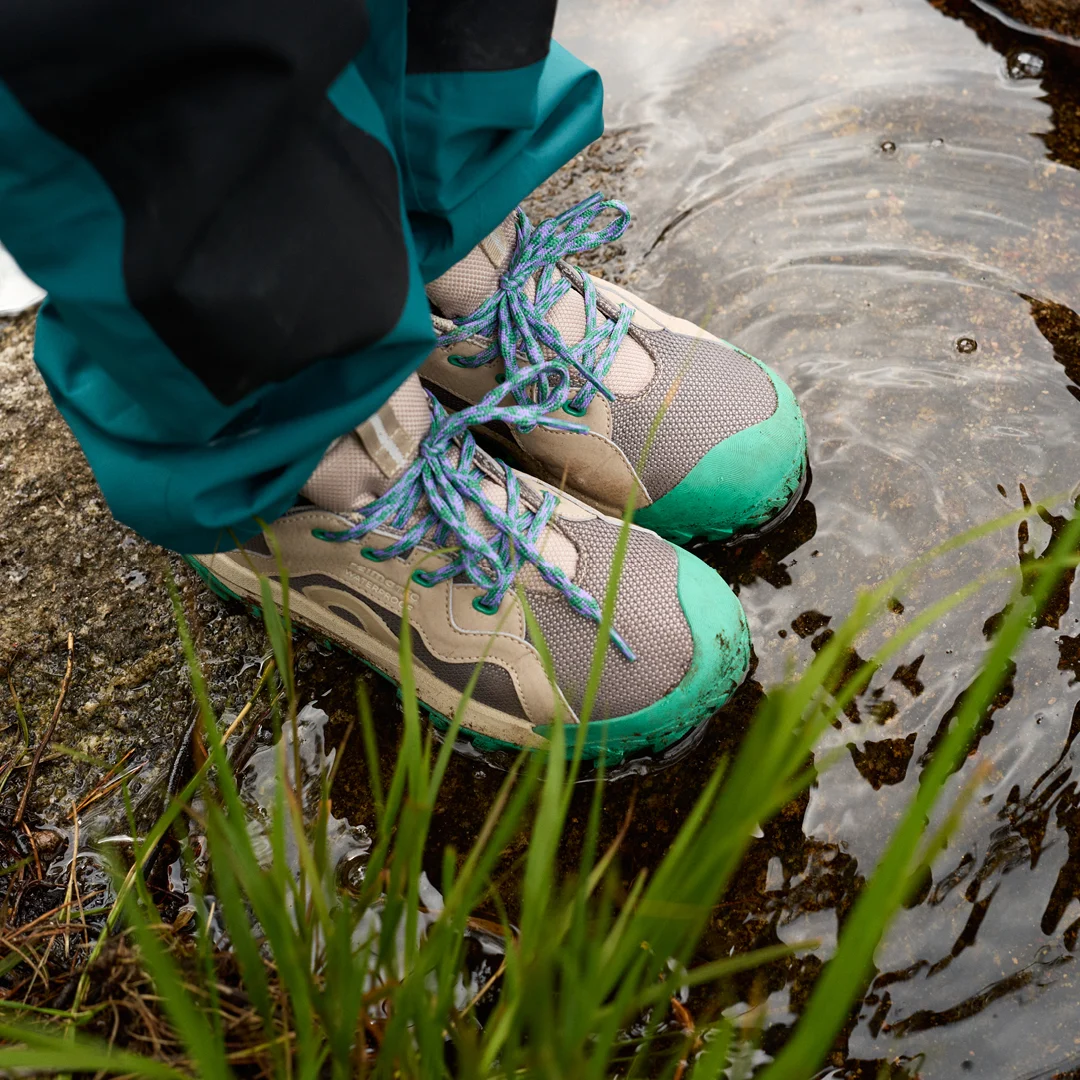
Wiosna i jesień często oznaczają mokre podłoże, a deszcz potrafi zaskoczyć w każdej chwili. Buty ReimaTec to świetny wybór na zmienną pogodę - pomagają utrzymać stopy suche przez dłuższy czas. Gdy jednak wiadomo, że będzie padać przez cały dzień, a w planach jest zabawa w kałużach, najlepszym rozwiązaniem będą kalosze.
Dobieraj skarpety odpowiednio do pogody:
Mieszanki z wełną na chłodniejsze dni
Bawełniane przy łagodnej i cieplejszej aurze


Moje dziecko ma wyjątkowo szeroką/wąską/pulchną/płaską stopę. Jak sprawdzić, który model będzie odpowiedni?
Buty dziecięce Reima są projektowane z uwzględnieniem rozwoju stopy na różnych etapach dorastania. Dlatego każdy model powstaje z myślą o zmieniającym się kształcie dziecięcych stóp. Jednak każda stopa jest inna i nie da się jej jednoznacznie sklasyfikować na podstawie samych wymiarów. Najlepszym sposobem na sprawdzenie dopasowania jest przymierzenie butów. Model, który dla jednego dziecka będzie wydawał się zbyt obszerny, dla innego może być idealny. Warto również zapoznać się z opiniami innych klientów, które mogą pomóc w podjęciu decyzji.
Jak dobrać odpowiedni rozmiar butów dla mojego dziecka?
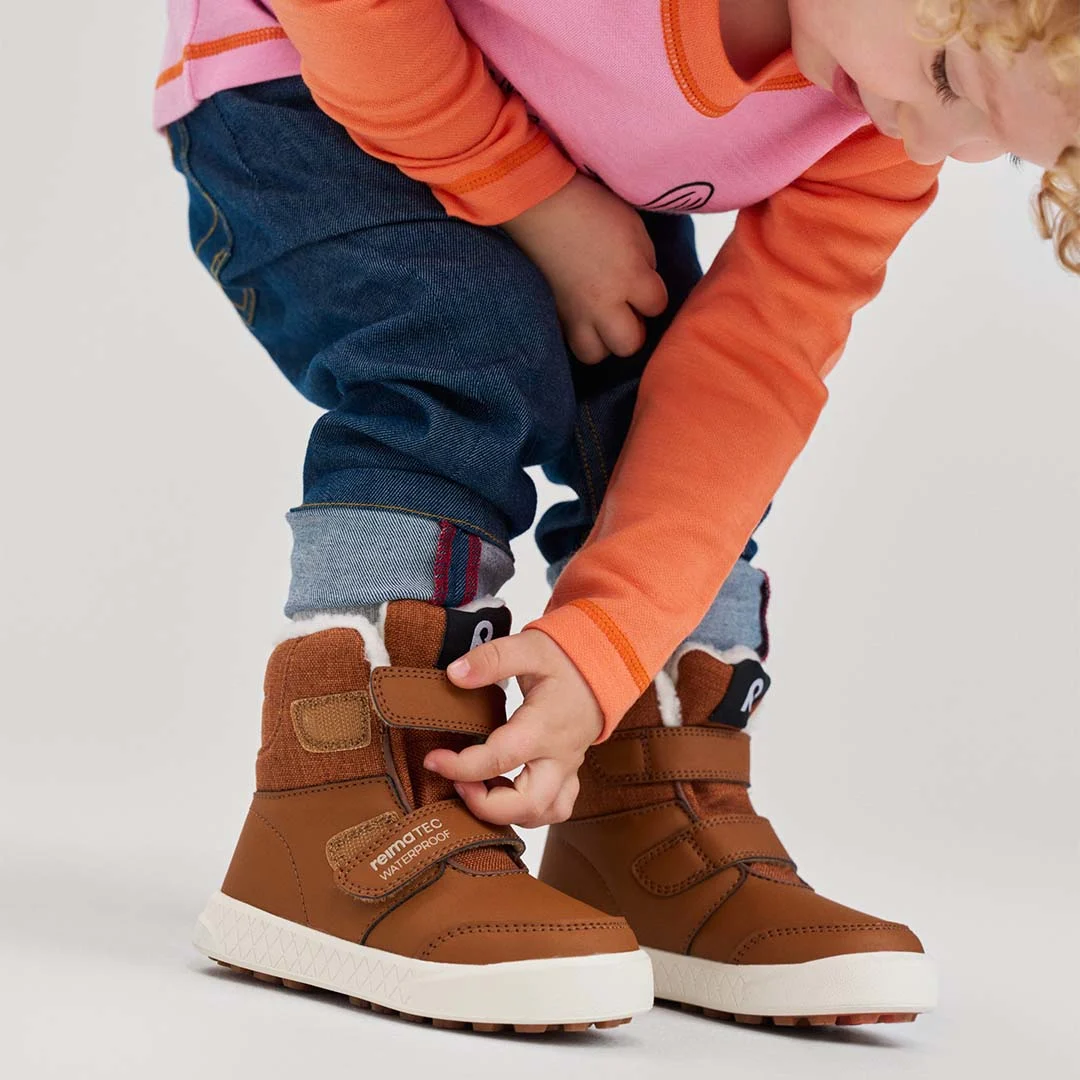
Wybierając buty Reima, wystarczy znać długość stopy dziecka. Możesz ją łatwo zmierzyć w domu, korzystając z naszych prostych wskazówek. Buty Reima mają już odpowiedni zapas na ruch i wzrost. Ponieważ zbyt małe buty są jedną z najczęstszych przyczyn dyskomfortu stóp u dzieci, warto regularnie mierzyć stopę i porównywać wynik z rozmiarem buta.
| Wiek | Wzrost stopy | Jak często mierzyć |
|---|---|---|
| 1-3 lata | 1.5 mm/miesiąc | Co 2 miesiące |
| 3-6 lat | 1 mm/miesiąc | Co 4 miesiące |
| 6-10 lat | Mniej niż 1 mm/miesiąc | Co 6 miesięcy |
Dlaczego nie podajecie szerokości i długości wewnętrznej butów?
Na dopasowanie i komfort butów wpływa wiele czynników, nie tylko ich szerokość. Dokładny pomiar szerokości stopy jest trudny, a różnice w miejscu pomiaru mogą wpływać na wynik. Niektóre modele butów uwzględniają również zapas na grubsze skarpety lub wzrost stopy, co wpływa zarówno na ich szerokość, jak i długość. Dzięki elastycznym cholewkom, które dopasowują się do stopy, precyzyjny pomiar szerokości często ma mniejsze znaczenie, niż mogłoby się wydawać.
Najdokładniej dopasujesz buty, pozwalając dziecku je przymierzyć.
Czym różnią się buty Barefoot od tradycyjnych butów?
Buty Barefoot są zaprojektowane tak, aby stopa mogła poruszać się jak najbardziej naturalnie. Mają cienką, elastyczną i płaską podeszwę, oraz szeroki przód buta, dzięki czemu stopa lepiej czuje podłoże, a palce mogą swobodnie się rozkładać.
Tradycyjne buty zazwyczaj oferują więcej struktury, amortyzacji i wsparcia. Chronią stopę przed wstrząsami i mogą być bardziej komfortowe na twardych nawierzchniach lub podczas dłuższego noszenia, zwłaszcza gdy dzieci są starsze i bardziej aktywne.
Oba rozwiązania mają swoje zalety - wszystko zależy od potrzeb dziecka, rodzaju aktywności oraz komfortu noszenia.
Kiedy wybrać buty Barefoot?
Buty Barefoot to świetny wybór, jeśli chcesz, aby stopy Twojego dziecka poruszały się i rozwijały w jak najbardziej naturalny sposób. Sprawdzają się szczególnie podczas codziennej zabawy, spacerów i aktywności, w których dziecko może czuć podłoże i swobodnie pracować palcami. Jeśli Twoje dziecko jest młodsze lub dopiero wzmacnia mięśnie stóp, buty Barefoot mogą wspierać ten naturalny rozwój i równowagę - pod warunkiem, że są dobrze dopasowane i wygodne.
Na czym polega technologia Rolling Steps w butach Reima?
Buty Reima Rolling Steps są wyposażone w podeszwę o zaokrąglonym profilu, która wspiera naturalne przetaczanie stopy. Zapewnia to płynny, sprężysty krok, dzięki czemu bieganie i skakanie stają się łatwiejsze i przyjemniejsze - szczególnie dla dzieci w wieku szkolnym, które są aktywne przez cały dzień.
Kiedy wybrać buty Rolling Steps?
Buty Rolling Steps warto wybrać wtedy, gdy dziecko jest aktywne przez cały dzień - szczególnie w okresie rozpoczęcia nauki w szkole. W tym wieku dzieci częściej biegają i skaczą po twardych nawierzchniach, dlatego potrzebują dodatkowej amortyzacji. Profilowana, zaokrąglona podeszwa Rolling Steps wspiera naturalne przetaczanie stopy, łagodzi uderzenie przy kontakcie pięty z podłożem i zapewnia płynny, sprężysty krok.


Barefoot czy Rolling Steps - które buty wybrać?
Oba rozwiązania mają swoje miejsce i zastosowanie. Buty Barefoot są idealne na wczesnym etapie rozwoju. Płaska, elastyczna podeszwa wspiera prawidłową postawę, zapewnia naturalny kontakt z podłożem i aktywuje mięśnie stóp. Szeroki przód buta pozwala palcom swobodnie się poruszać, wspierając zdrowy rozwój stóp.
Buty Rolling Steps to świetny wybór dla aktywnych dzieci, zwłaszcza w wieku szkolnym. Specjalnie zaprojektowana podeszwa zapewnia amortyzację podczas biegania i skakania, ułatwia płynne przetaczanie stopy i zachęca do jeszcze większej aktywności.
Nie wszystkie wodoodporne buty są takie same
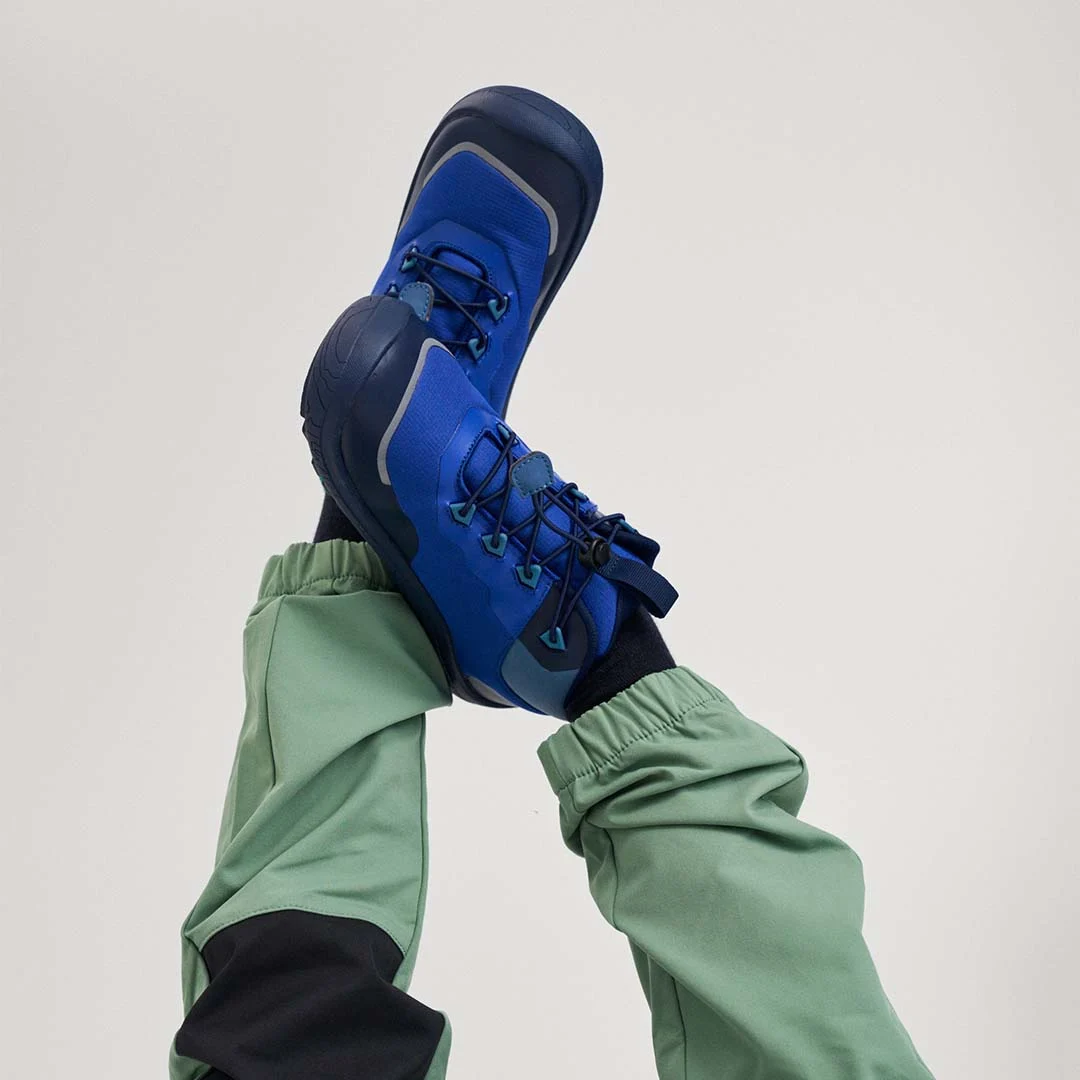
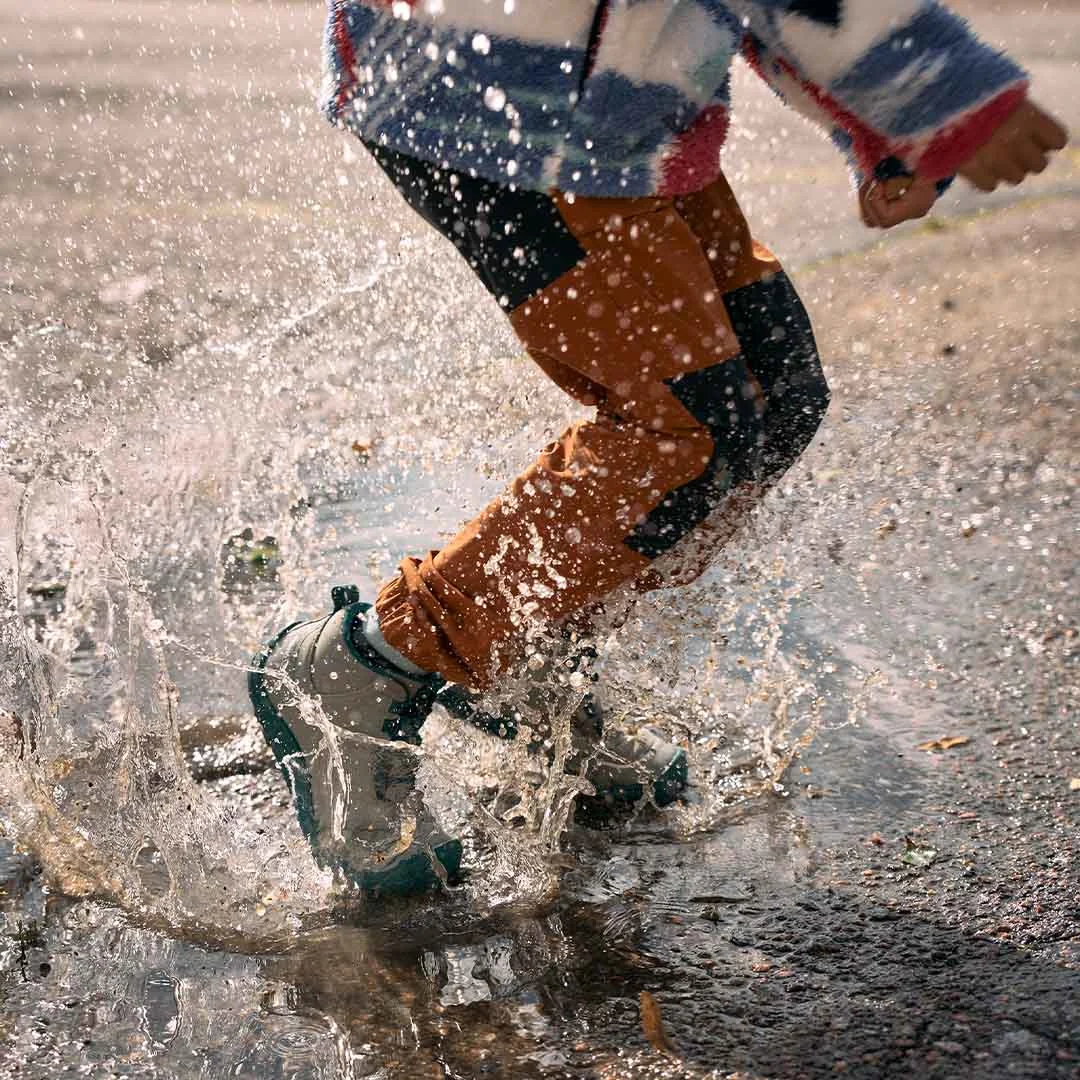
W niektóre dni potrzebne są kalosze, w inne - lżejsze buty wodoodporne. Dlatego oferujemy różne poziomy ochrony przed wilgocią, dopasowane do zabawy w kałużach, mokrego podłoża i zmiennej pogody. Sprawdź, jak wypadają nasze technologie wodoodporne i czym się różnią.
Na co zwrócić uwagę przy wyborze butów dziecięcych na lato?
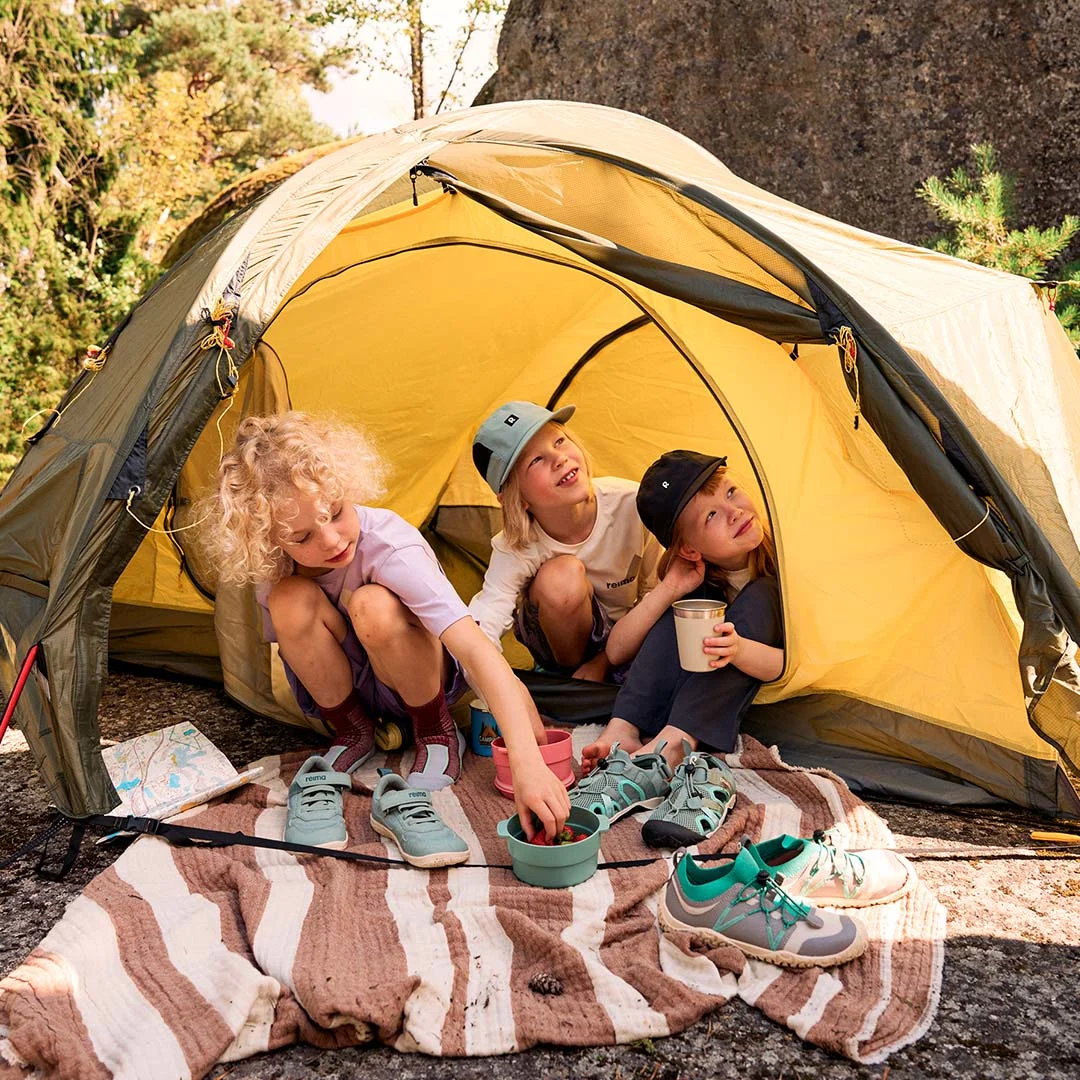
Nawet latem aktywne dziecko potrzebuje więcej niż jednej pary butów. Jeśli chcesz zapanować nad niezliczonymi parami butów w przedpokoju, najlepiej sprawdzi się prosty zestaw:
Kalosze na deszczowe dni
Jedna para wytrzymałych i oddychających butów do codziennej zabawy
Jedna para stabilnych sandałów, odpowiednich na upalne dni
Wodoodporne buty sportowe to praktyczne uzupełnienie na nieprzewidywalną pogodę, a buty do wody są niezwykle przydatne podczas odkrywania kamienistych lub naturalnych plaż.
Jak wybrać odpowiednie buty zimowe dla dziecka?
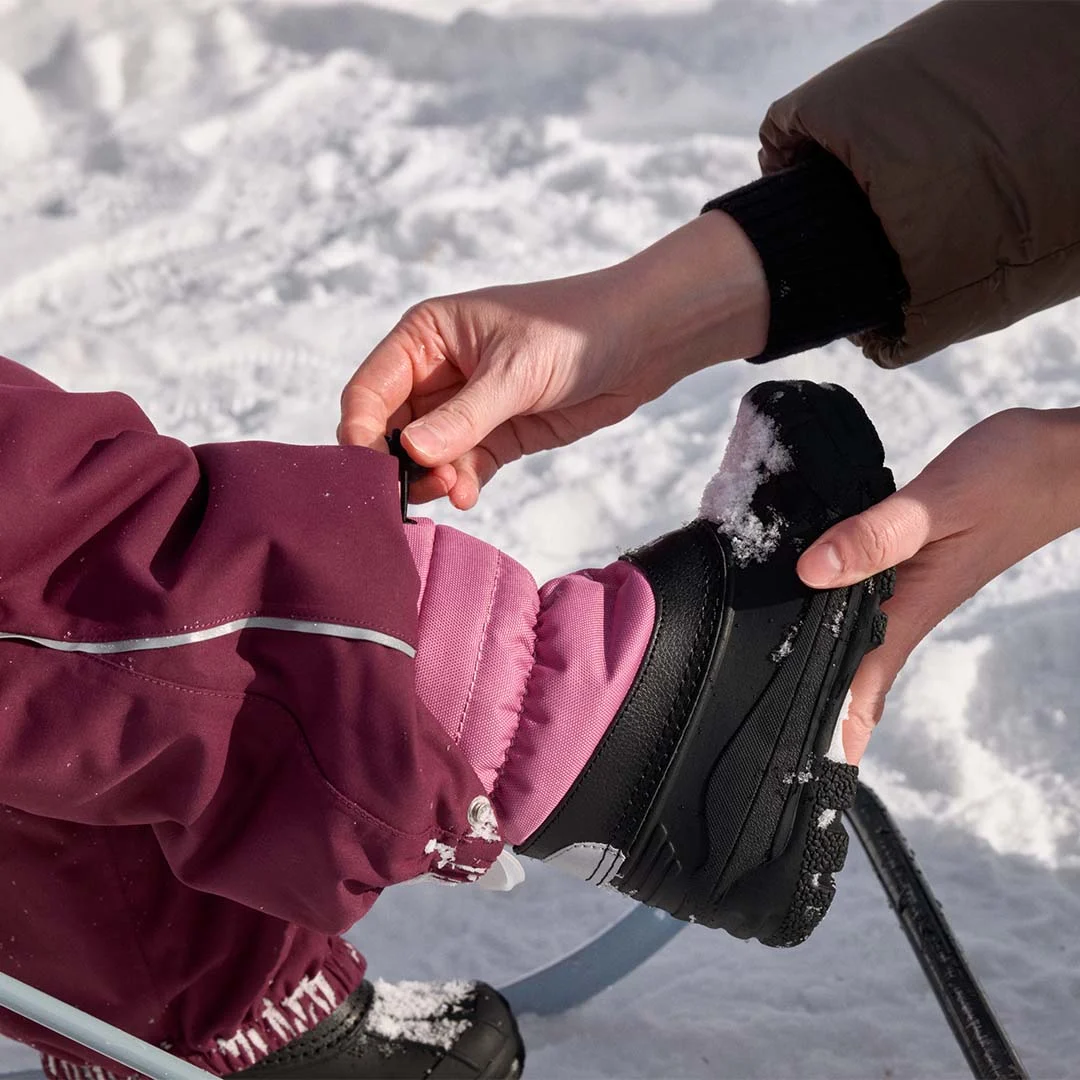
Nie zawsze najcieplejsze buty będą najlepszym wyborem - wszystko zależy od warunków, w jakich dziecko będzie je nosić. Młodsze dzieci potrzebują zazwyczaj cieplejszej odzieży i obuwia. Jeśli zima jest mokra i często występuje plucha, kluczowa będzie dobra wodoodporność. Na bardzo błotniste dni najlepiej sprawdzają się kalosze. Zwróć też uwagę na wysokość buta - wyższa cholewka ułatwia zabawę w głębokim śniegu. W przypadku kombinezonów lub spodni z paskami pod stopę warto wybrać buty z odpowiednio wyprofilowaną podeszwą.
Czy rodzaj skarpet ma znaczenie?
Dodatkowa para skarpet lub wkładki zapewniają dodatkowe ciepło, dlatego warto wybierać zimowe buty z odpowiednim zapasem miejsca. W chłodne dni lepiej unikać bawełnianych skarpet noszonych bezpośrednio na skórze - gdy bawełna jest wilgotna, daje uczucie chłodu. Skarpety z wełny lub mieszanek wełnianych pomagają odprowadzać wilgoć i utrzymują ciepło nawet wtedy, gdy są lekko wilgotne, co czyni je idealnym wyborem na zimę.


